TRT Clinic in La Jolla: What to Look for in a Provider
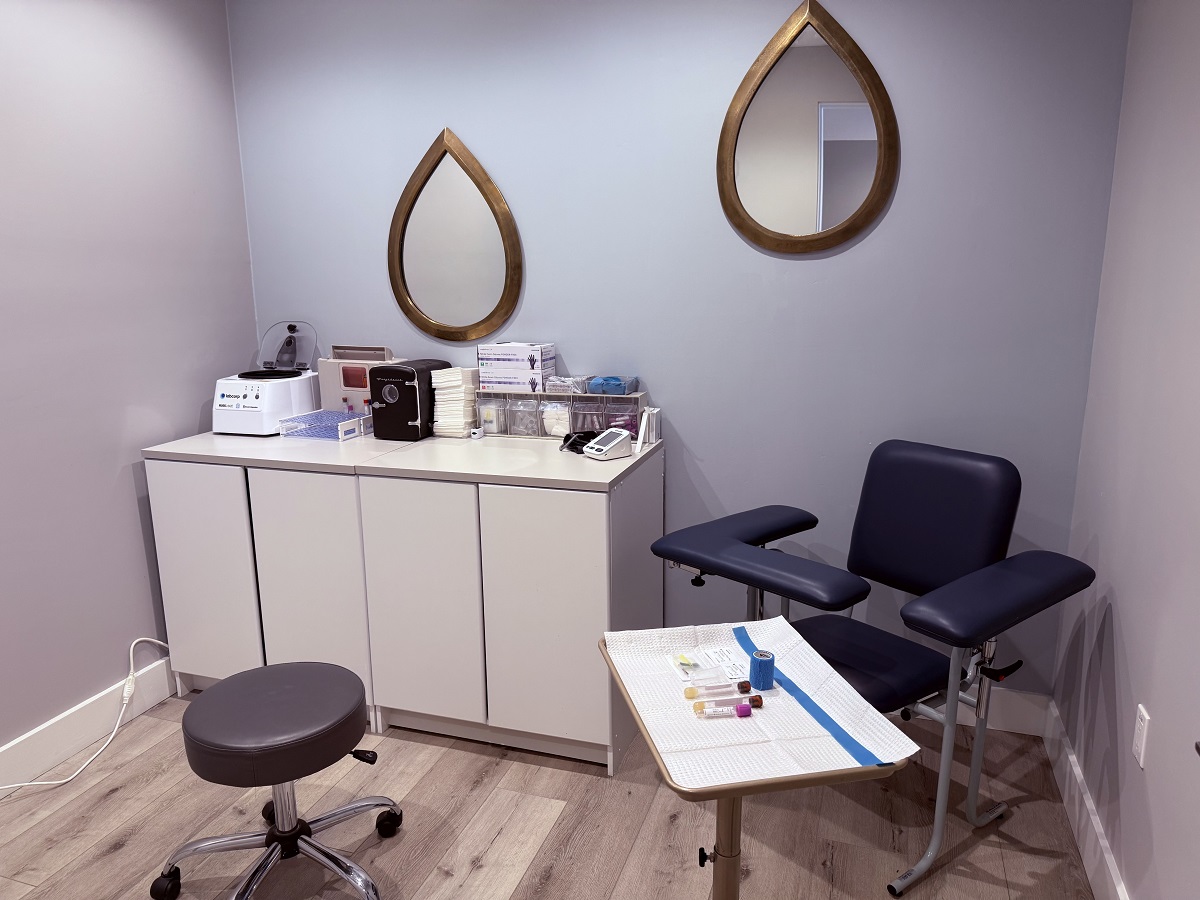


Choosing a TRT clinic in La Jolla is not the same as picking a med spa, a primary care office, or the first practice that appears in search results. Testosterone replacement therapy sits at the intersection of hormone health, cardiovascular risk, sexual function, fertility, body composition, mood, sleep, and long-term monitoring. That means the provider matters as much as the medication itself.
A good clinic can help a man who truly has symptomatic testosterone deficiency feel sharper, stronger, and more like himself again. A careless clinic can turn a manageable hormone issue into a cascade of avoidable problems, from elevated hematocrit to acne, mood volatility, testicular shrinkage, infertility, unmanaged sleep apnea, or treatment that never should have started in the first place.
La Jolla tends to attract a certain kind of medical marketing. Practices know they are speaking to educated, health-conscious patients, often with the means to pay out of pocket for concierge care. Some clinics respond by building excellent, high-touch hormone programs. Others lean hard on polished branding, anti-aging promises, and one-size-fits-all protocols. From the outside, both can look equally professional.
That is why the real question is not who advertises TRT. It is who evaluates it carefully, prescribes it responsibly, and follows it closely over time.
Start with the diagnosis, not the sales pitch
The biggest dividing line between a strong provider and a weak one usually shows up before treatment even begins.
Testosterone replacement therapy should not be prescribed based on fatigue alone, or a vague sense of low motivation, or a single afternoon lab draw taken after poor sleep and a stressful week. Those symptoms can overlap with depression, chronic stress, under-recovery from training, sleep deprivation, obstructive sleep apnea, alcohol overuse, thyroid disease, insulin resistance, medication side effects, or simply getting older while carrying too much body fat and not enough muscle.
A reputable clinic will slow the process down enough to get the diagnosis right. In practice, that means a real symptom review, a medical history that goes beyond libido and gym performance, and properly timed labs. Testosterone levels fluctuate. Morning testing matters. Repeat confirmation often matters. Context matters even more.
If a provider is eager to start injections after a five-minute consult and one borderline lab result, that should give you pause. A thoughtful clinician will want to know whether your symptoms match the labs, whether the labs were drawn correctly, whether another condition could explain what you are feeling, and whether TRT is the right answer for your goals.
This is especially important for men in their thirties and forties who still want children. Exogenous testosterone can suppress sperm production. Many men do not realize how significant that effect can be until they are months into treatment and trying to reverse it. A competent provider brings that conversation up early, not after the prescription has already been written.
What a careful evaluation usually includes
No two clinics work exactly the same way, and they should not. But a good initial workup tends to have a certain depth to it. The provider should be trying to understand your endocrine picture, not just checking whether you qualify for a vial.
At minimum, the conversation should cover symptom pattern, medical history, sleep, alcohol intake, body weight trends, exercise habits, cardiovascular history, medication use, libido, erectile function, and fertility plans. Lab work commonly extends beyond total testosterone. Depending on the case, that can include free testosterone, SHBG, estradiol, LH, FSH, CBC, CMP, PSA in appropriate patients, lipids, thyroid markers, and sometimes prolactin or additional testing if the story suggests pituitary involvement.
The key point is not whether every patient gets every test. It is whether the workup is individualized and medically coherent.
In real-world practice, some men arrive convinced they need TRT because they have seen clips online about “low T” and feel worn down. Then their sleep study comes back positive for moderate sleep apnea, or their labs show poor glycemic control, or their testosterone is low-normal in the setting of obesity and chronic under-sleep. Treating the root issue first can change the entire picture. A clinic that never looks for root causes is not doing serious hormone care.
The best providers explain benefits and trade-offs with equal clarity
A clinic earns trust when it speaks plainly about what TRT can do and what it cannot.
TRT may improve energy, libido, erectile function in some cases, recovery, lean mass retention, and overall sense of well-being in men who truly have testosterone deficiency. It is not a cure-all. It does not replace sleep, training, nutrition, stress management, or treatment of unrelated medical conditions. It will not make every man feel twenty-five again, and any provider who hints otherwise is selling emotion more than medicine.
Good clinicians are also direct about downsides. Testosterone therapy can raise hematocrit. It may worsen acne or oily skin. It can accelerate hair loss in susceptible men. It may affect mood, especially if dosing creates large hormonal swings. It can complicate untreated sleep apnea. It typically suppresses natural testosterone production while you are on therapy. Fertility can drop, sometimes sharply.
These are not reasons to avoid TRT when it is indicated. They are reasons to work with a provider who monitors carefully and adjusts treatment rather than chasing symptoms with more medication.
I have seen men do quite well on relatively modest, stable regimens because the doctor paid attention to timing, formulation, lab follow-up, and patient lifestyle. I have also seen men struggle because they were started on aggressive doses, paired with a handful of add-on drugs they did not need, then left to interpret side effects as “part of the process.” Quality of care often comes down to restraint.
Watch how the clinic talks about numbers
One of the easiest ways to assess a TRT clinic in La Jolla is to notice how it frames lab targets.
A responsible provider does not chase a single “optimal” testosterone number for every patient. He or she treats symptoms, lab values, side effects, and health markers together. That sounds obvious, but in the hormone space it often is not. Some clinics market around the idea that there is a magic range where every man should sit, usually at the higher end. In reality, response varies. One patient feels markedly better with conservative dosing and steady levels. Another may need a different route of administration or more nuanced adjustments. Higher is not automatically better.
The same goes for estradiol. Some clinics treat estrogen like the enemy and reflexively prescribe aromatase inhibitors. That approach can create joint pain, low mood, poor libido, and a generally flat sense of well-being when estradiol is pushed too low. Experienced TRT providers usually respect estrogen physiology and intervene only when symptoms and labs actually justify it.
A polished clinic should be able to explain not just what your numbers are, but what they mean in the context of your symptoms, your body composition, your age, and your treatment goals.
Convenience matters, but it is not the main thing
La Jolla patients often care about efficiency, and reasonably so. Easy scheduling, quick lab coordination, telehealth follow-ups, and reliable medication delivery all improve adherence. If a clinic is impossible to reach or routinely delays dose changes for weeks, that can turn even a sound treatment plan into a frustrating experience.
Still, convenience should sit behind clinical quality, not in front of it.
A sleek office, responsive text line, and premium waiting room do not tell you whether the medical team is strong. Some of the most impressive hormone websites hide thin clinical processes. Others are run by excellent physicians and nurse practitioners who happen to be less flashy online. Your job is to look through the surface.
One practical way to do that is to ask how often patients are rechecked after starting therapy, what the first six months typically look like, and how side effects are handled. Those answers reveal far more than decor ever will.
Questions worth asking at the first visit
If you are comparing providers, a short set of direct questions can save you months of frustration.
- How do you confirm that TRT is actually appropriate before starting treatment?
- What lab work do you routinely review before and after therapy begins?
- How do you handle fertility concerns in men who may want children?
- What side effects do you watch most closely, and how often do you monitor for them?
- If symptoms improve but labs create concern, or labs look good but symptoms do not improve, how do you adjust the plan?
These questions do not require you to be an endocrinologist. They simply make it harder for a clinic to hide behind vague promises. Good providers usually welcome them. Weak providers tend to pivot back to slogans, package pricing, or “our protocol works for everyone.”
The provider’s background matters, but so does their approach
Patients often focus heavily on titles, and titles do matter. A physician with experience in men’s health, endocrinology, urology, internal medicine, or a nurse practitioner or physician assistant who practices within a well-structured hormone program can all deliver excellent TRT care. The issue is not the letters after the name alone. It is whether the person actually understands hormone management, contraindications, and longitudinal follow-up.
Experience shows up in subtle ways. It appears when a provider knows when not to treat. It appears when he notices that a man’s fatigue sounds more like sleep apnea than hypogonadism. It appears when she discusses hematocrit trends before they become a problem. It appears when the clinic has a plan for fertility preservation rather than improvising only after suppression occurs.
There is also a communication piece that patients often underestimate. TRT works best when there is enough trust for honest reporting. If a patient feels embarrassed to mention irritability, reduced testicular volume, worsening snoring, or loss of libido despite “good numbers,” the treatment course can drift off track. A good provider creates space for those conversations without judgment.
Beware of protocol-heavy medicine
Hormone therapy attracts clinics that love standardization. Some structure is useful, especially for safety and follow-up. But rigid, universal protocols are often a sign that the clinic is trying to move patients efficiently rather than treat them thoughtfully.
You may encounter practices where every man gets the same weekly dose, the same injection schedule, the same add-on medications, and the same refill cadence. That can be tempting because it sounds simple and proven. The problem is that testosterone metabolism, symptom response, and side-effect sensitivity vary widely.
One patient may do well on weekly injections. Another may feel better splitting doses more frequently to reduce peaks and troughs. A third may prefer a topical formulation because of needle aversion, travel schedule, or personal response. A fourth may not be a TRT candidate at all and would benefit more from addressing obesity, sleep, or medication-related suppression first.
Medicine gets sloppy when the protocol becomes more important than the person.
Monitoring is where good clinics separate themselves
Starting treatment is easy. Managing it well over time is the real work.
The early months often involve dose adjustments, symptom tracking, and interpretation of follow-up labs. This is the period when side effects tend to emerge, expectations get recalibrated, and the patient learns whether the clinic is truly paying attention. It is also where a lot of poor programs fail. They prescribe, refill, and reassure, but they do not really manage.
A strong provider watches trends rather than isolated data points. If hematocrit is creeping upward, that gets addressed before it becomes a larger issue. If blood pressure has changed, that matters. If libido improved but sleep deteriorated, that deserves discussion. If erectile function did not improve despite adequate testosterone levels, the provider should think beyond testosterone rather than simply raising the dose.
This kind of care is less dramatic than marketing language, but it is what protects outcomes.
How pricing can reveal the clinic’s priorities
TRT pricing can be hard to compare because clinics bundle different things. One monthly fee may include office visits, lab review, medication, supplies, and messaging support. Another may quote only the medication and leave everything else as add-ons. Cost alone does not tell you much.
What does matter is transparency.
If a clinic is vague about what is included, pushes long prepaid packages, or pressures you to commit before a proper diagnostic workup, step back. Hormone therapy should not feel like joining a membership club. You should know what the medication costs, what follow-up costs, whether labs are billed separately, and what happens if your treatment plan changes.
It is also worth being cautious if the business model seems built around add-on sales. Men seeking TRT are often offered peptide stacks, fat-loss injections, supplements, sexual wellness packages, and other upsells before their core diagnosis is even clear. Some adjuncts may be reasonable in select cases. But if the clinic’s energy is focused more on selling a lifestyle than managing your endocrine health, that tells you something.
Local fit matters in La Jolla
The right clinic is not just clinically competent. It should also fit the realities of your life.
A busy executive who travels frequently may need a provider comfortable with telemedicine follow-up, reliable refill coordination, and practical advice for maintaining consistency on the road. An athlete may need more nuanced counseling around hematocrit, recovery expectations, and the difference between symptom relief and performance enhancement. A younger patient concerned about fertility needs a very different discussion from a man in his sixties focused mainly on energy and sexual function.
This is where a local TRT clinic in La Jolla can have a genuine advantage if it is run well. The best local providers understand the patient population they serve. They know many of their patients are active, informed, pressed for time, and unlikely to tolerate vague answers. That can elevate care. It can also sharpen the marketing. Your task is to tell the difference.
One useful sign is whether the clinic personalizes the conversation quickly. If they speak to you as a whole patient, not as a “low T” category, you are probably in better hands.
Signs you are talking to the right clinic
There is no perfect script for choosing a hormone provider, but strong clinics tend to share a handful of traits.
- They diagnose carefully and do not rush treatment.
- They discuss fertility, side effects, and long-term monitoring upfront.
- They tailor dosing and follow-up rather than forcing everyone into one protocol.
- They explain lab results in context instead of chasing vanity numbers.
- They are transparent about costs, access, and what happens if treatment is not helping.
These points sound simple, but they are not universal. They reflect a clinic that sees TRT as ongoing medical care, not as a commodity.
The decision should feel informed, not hyped
If you leave a consultation feeling educated, sdbody.com trt clinic La Jolla that is a good sign. If you leave feeling emotionally sold, slow down.
Hormone therapy can be appropriate, effective, and life-changing for the right patient. It can also be overprescribed, oversimplified, and poorly monitored. The difference usually comes down to whether the provider values judgment over volume.
For men looking for a TRT clinic in La Jolla, that means choosing a practice that asks real questions, orders meaningful labs, explains trade-offs clearly, and follows treatment as a long-term trt clinic La Jolla relationship rather than a retail transaction. You want a provider who can say yes when TRT makes sense, no when it does not, and not yet when another issue deserves attention first.
That is the standard worth holding. It is also the standard most likely to protect both your health and your time.
SDBody La Jolla
7710 Fay Ave, La Jolla, CA 92037
+1 858-401-2383
FAQ About trt clinic La Jolla
How much should my TRT cost?
TRT costs depend on the clinical evaluation, medication, laboratory testing, and follow-up plan. Ask for an itemized estimate that includes the initial visit and ongoing monitoring. SDBody La Jolla can explain its current fees after discussing the services being considered.
Will Insurance Pay for TRT in La Jolla?
Coverage depends on your plan, diagnosis, prescribed treatment, and provider network. Ask your insurer about medical necessity requirements, prior authorization, laboratory coverage, and out-of-pocket costs. Confirm SDBody La Jolla's billing arrangements directly; insurance payment is not guaranteed.
Is TRT safer than steroids?
Testosterone is itself an anabolic steroid. Clinician-prescribed replacement for confirmed testosterone deficiency differs from nonmedical steroid use, but it still carries risks and requires monitoring. Possible concerns include increased red blood cell levels and reduced sperm production. Discuss your medical history and fertility goals with a qualified clinician before considering treatment.